
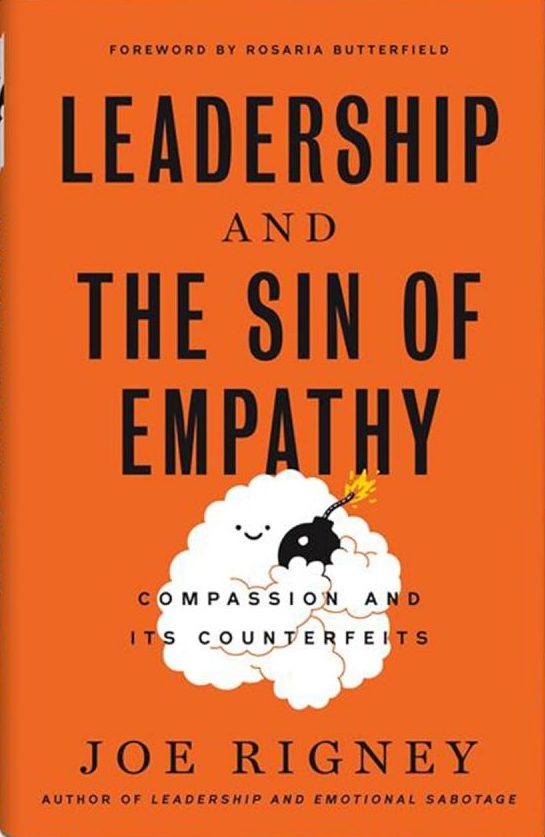
I remember sitting in a room full of foster care professionals a few years ago and being told that a child entering our care was “transitioning.” I recall this event vividly because I was called into a private meeting with the lead social worker. The conversation went something like this: “Jared, this individual is coming into our care, and you are required to refer to them by their preferred pronouns.”
I was taken aback. In an instant, I prayed silently, “Lord, give me wisdom.” It felt as if the words of Matthew 10:19 played out in real time. While the context of that passage is literal persecution, I believe the principle applied: “Do not be anxious how you are to speak or what you are to say, for what you are to say will be given to you in that hour.”
My response was pointed but delivered in a spirit of grace. I said, “With all due respect, I cannot and will not do that. I refuse to lie. I will, however, refer to the individual by their name.”
The social worker’s response was telling: “That’s not very empathetic of you.” On its face, that may seem like an odd reply, but if you follow the logic of secular thoughts on empathy, you begin to see how easily it can become sinful. This is the framework through which Joe Rigney explores his book.
________________________________________
The Structure
Rigney begins by defining empathy: the ability to understand and share another person’s feelings. He argues that when empathy is left without biblical boundaries, it devolves into what he calls “untethered empathy.” While empathy is a cognitive ability, Rigney notes that as believers, we cannot truly “share” another person’s sinful feelings or reality.
I mentioned the transgender issue because Rigney explicitly addresses how untethered empathy demands we join someone in their subjective perceptions, even when those feelings divorce themselves from the objective reality of God’s design. It’s not just the façade of untethered empathy that Rigney addresses; he also exposes the counterfeits of compassion. The reality is that if you conflate empathy with compassion, you will inevitably face temptations to compromise the truth. Rigney doesn’t just offer a “mic drop” critique; he gives a call to action on how to respond to this sin. The remedy is to commit to a faithful local church where you are held accountable for both words and actions. We look at a world in darkness and remember Paul’s words: “And such were some of you, but you were washed.” We don’t help the world by being “empathetic” to their rebellion. We show true biblical empathy by grieving with those who lose loved ones or jobs—suffering alongside them without compromising the truth.
________________________________________
Personal Impact
I confess I initially picked up this book because of its provocative title. However, after hearing Dr. Rigney discuss it on a podcast with Dr. Al Mohler, I was deeply convicted. The book forced me to ask: “Are there areas where I am offering untethered empathy to sin?”
Untethered empathy often leads to a grave secondary sin: apathy. While reading, I realized I had become apathetic toward media I was consuming. I was watching a show where a character “comes out” as homosexual. Like much of Hollywood, the writers used an emotional storyline—an abusive household and childhood trauma—to draw the viewer in. I caught myself thinking, “Well, I guess this is the new normal,” and I continued watching.
Through untethered empathy, I was minimizing this sin because of the cultural normalization of homosexuality in Hollywood. But the Bible tells us he is a sinner in need of grace, regardless of his past. My “empathy” had turned into an excuse for apathy—I simply didn’t care that the show was promoting sin because it felt like the “new normal.” God used this book, alongside time in the Word, to convict me. We must find these blind spots, confess them, and put them to death.
________________________________________
Implications for MCC and Prayer
When I was a young believer, I learned the ACTS acrostic for prayer. We teach this same tool to our students in Master’s Kids here at MCC. I believe this framework is perfect for applying Rigney’s call to action; it provides us with a strategic way to move from conviction to a life of joyful obedience and intercession:
- Adoration: Give praise to God that you are no longer who you once were. You should have no “empathy” for the “old man” (your former sinful self). That man is dead, buried with Christ, and you have been raised to new life.
- Confession: Identify your blind spots. Ask the Lord to reveal where your empathy has been untethered from truth. Seek godly counsel and do not run from it; receive it and repent of any empathy that has led you into the sin of apathy.
- Thanksgiving: Thank God that He gives more grace. Be grateful that you are not who you once were, and praise God that He is never “empathetic” toward sin—He loves us enough to call us out of it.
- Supplication: In Acts 9, when Luke records Paul’s conversion, he uses incredible language. Paul is blinded on the road to Damascus. He has no untethered empathy towards Christians, and God blinded him. You see, Paul had no untethered empathy for Christians because he had no untethered empathy for God. So, God in His divine sovereignty reveals Himself to Saul of Tarsus: “Saul, Saul, why are you persecuting me?” says Jesus. Paul is in a room, and all of a sudden Luke writes these words: “something like scales fell from his eyes.” For the first time in Paul’s life, he is no longer blind.
The ultimate call to action is this: Do you know someone caught in sin or someone who is currently opposing God? Take their name before the King of Heaven and plead with Him to remove the scales from their eyes. Don’t empathize with their sin—call it out and call them to put it to death.